PFAS Testing
The Regulatory Landscape
In April 2024, the EPA established maximum contaminant levels (MCLs) for six PFAS compounds in drinking water. These are the first-ever enforceable federal limits on "forever chemicals," and they affect every public water system in the country.
The timeline is tight. All public water systems must complete initial monitoring by 2027, with full compliance required by 2029. In Texas, 49 public water systems have already been found to exceed the new limits. If you serve drinking water to the public, PFAS testing is no longer a future concern.
Testing Methods
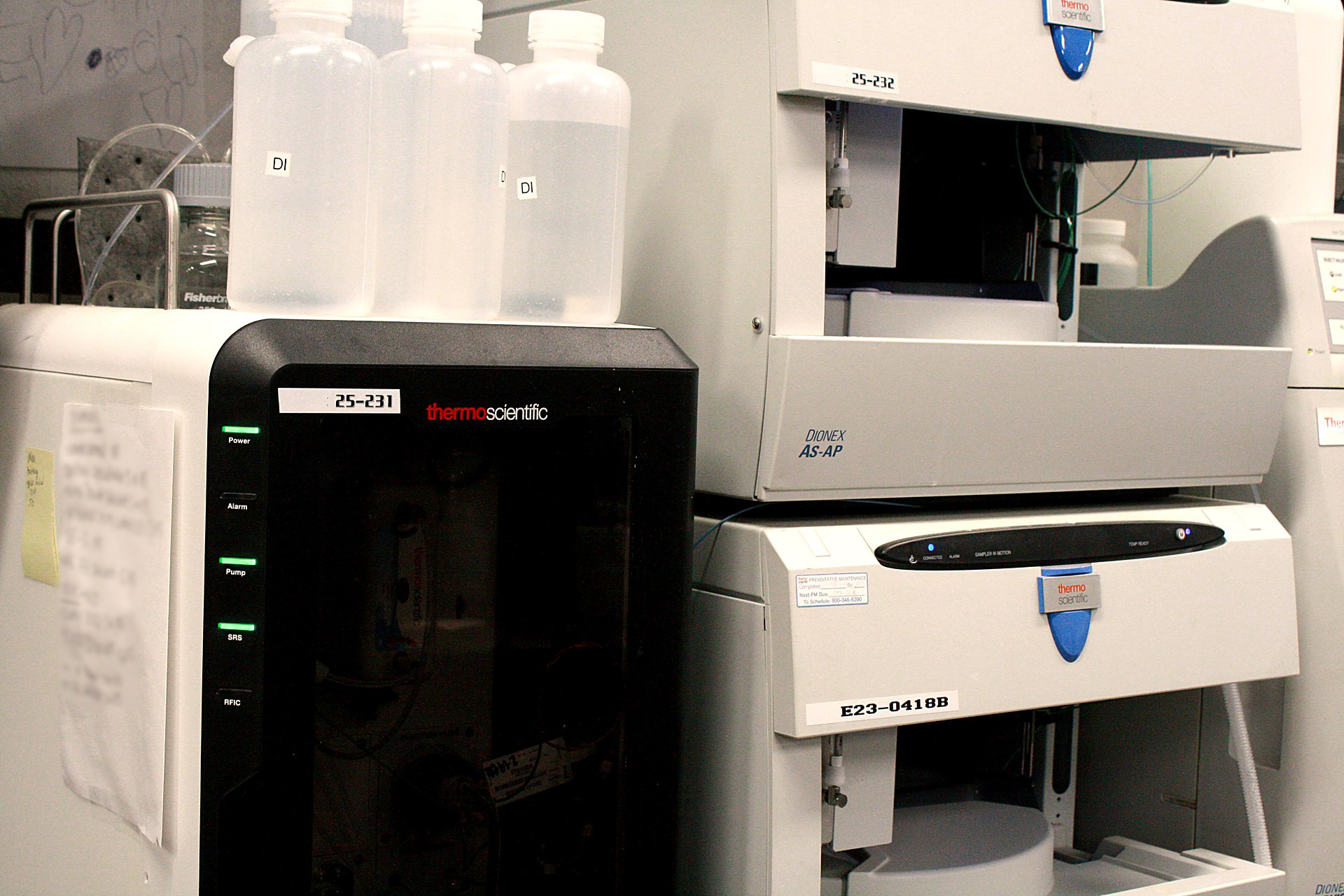
Eastex performs PFAS analysis using EPA-approved methods designed for drinking water matrices. Each method targets a specific set of PFAS compounds at the parts-per-trillion level required by the new MCLs.
EPA Method 533
Covers 25 PFAS compounds including short-chain PFAS (PFBS, PFHxA) that EPA Method 537.1 does not detect. Required for comprehensive UCMR 5 compliance monitoring.
EPA Method 537.1
Targets 18 PFAS compounds including PFOA and PFOS, the two most widely regulated. The primary method for MCL compliance testing under the new drinking water rule.
Who Needs PFAS Testing
The new federal PFAS rule applies to all community water systems and non-transient non-community water systems.
Public Water Systems
Required to complete PFAS monitoring under the new MCL rule and UCMR 5. If your system serves drinking water to the public, you need accredited PFAS analysis.
Municipal Utility Districts
MUDs with drinking water service must monitor for PFAS. We understand MUD reporting timelines and can coordinate testing to fit your compliance calendar.
Operations Companies
If you manage water systems for MUDs or PWS clients, PFAS compliance falls to you. We work with operations companies managing multiple districts to streamline the process.
Engineering Firms
Site assessments, remediation projects, and permit applications increasingly require PFAS data. Our results are defensible and delivered in formats your projects need.
Getting Started
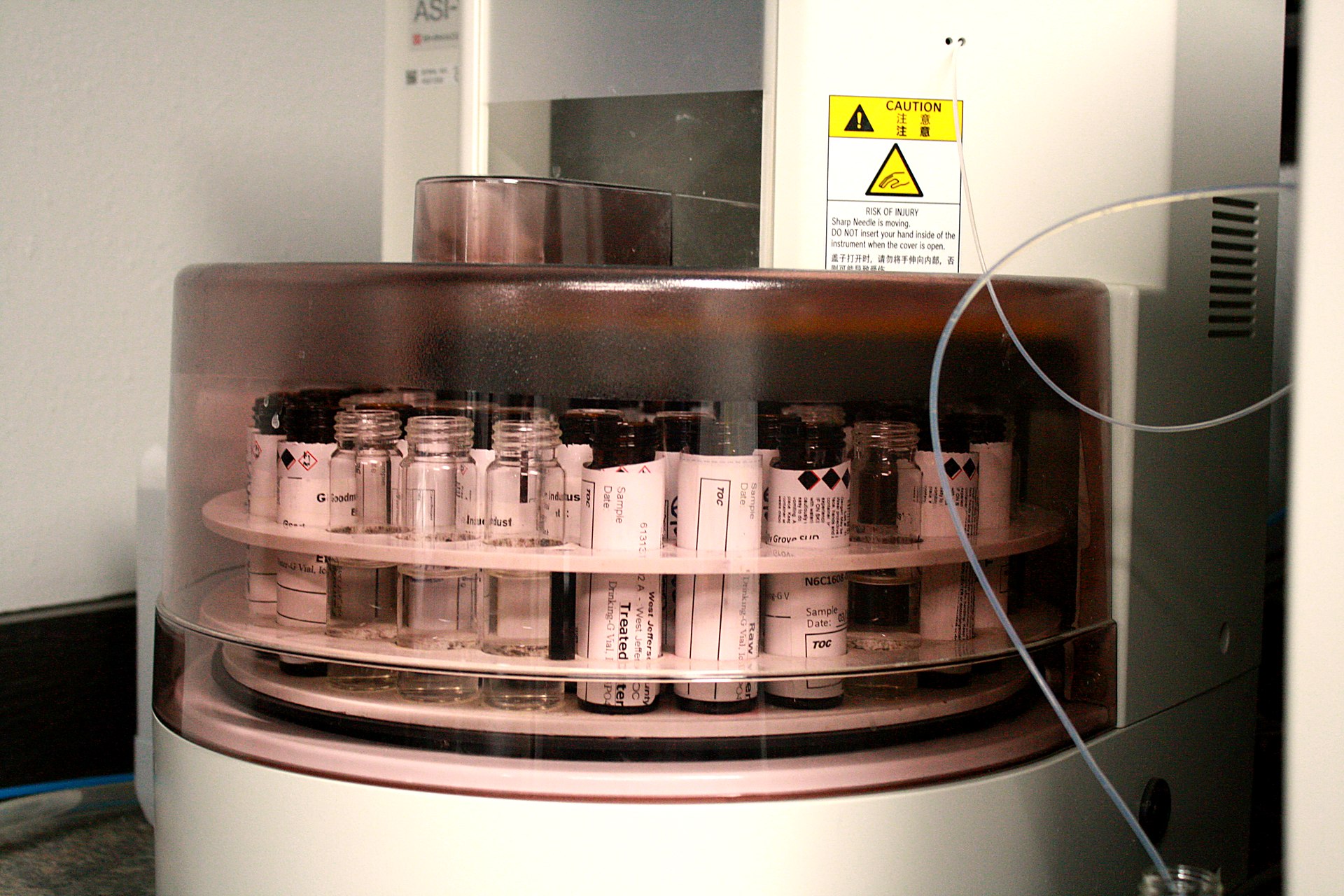
PFAS sampling requires specific procedures to avoid contamination. We provide the sample containers and preservation materials, along with guidance on proper collection technique. If you need on-site sampling support, our field services team can handle collection for you.
Not sure where to start with PFAS compliance? Call us. We can walk you through the monitoring requirements, help you determine which methods apply to your system, and set up a sampling schedule that meets your deadlines.
Questions About PFAS Compliance?
We can help you understand the requirements and build a monitoring plan that fits your timeline.